
14th INTERNATIONAL CONFERENCE ON LANGUAGE, COMMUNICATION AND SOCIETY 2027
“Connecting People, Cultures and Languages in the Age of AI”
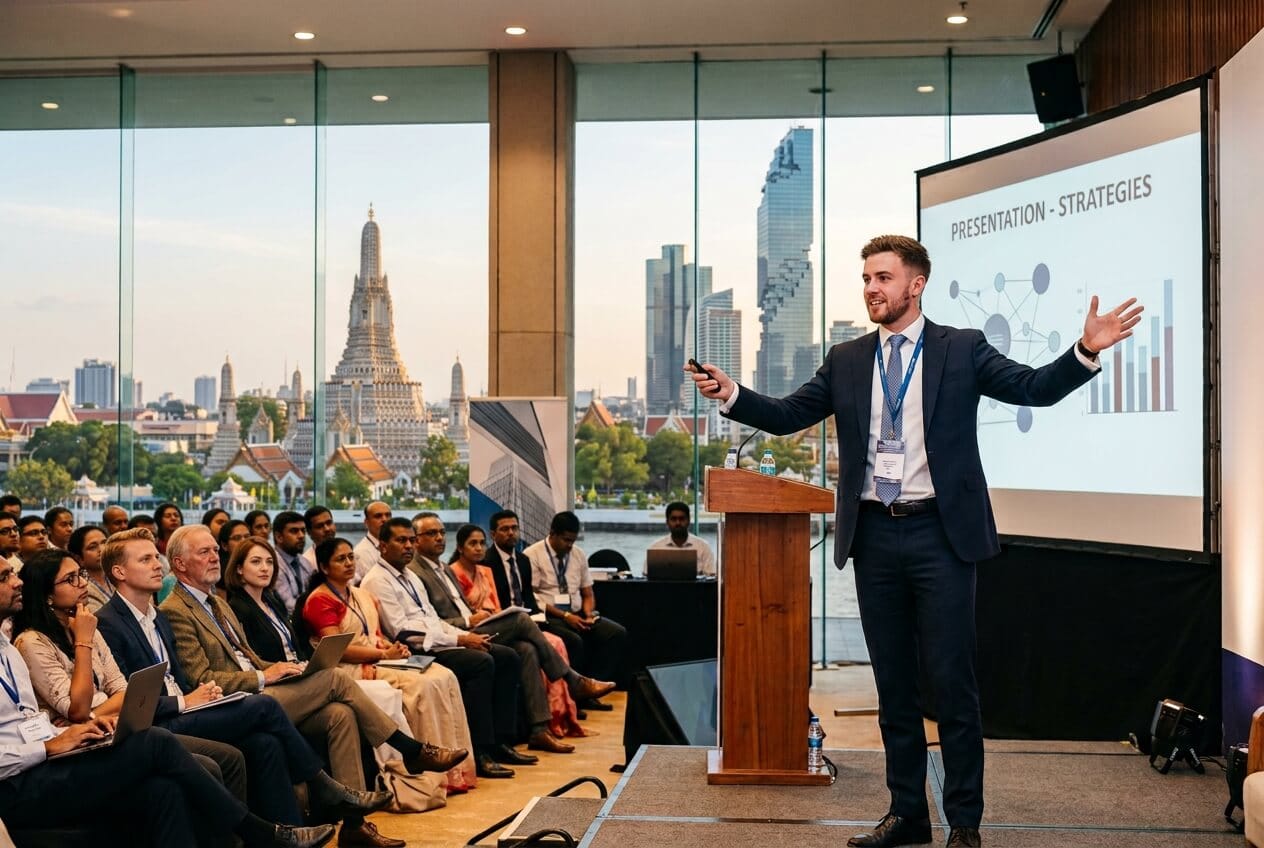
23–24 July 2027 | Bangkok, Thailand
The 14th International Conference on Language, Communication and Society (LCS2027) invites scholars, researchers, educators, practitioners, policymakers, postgraduate students and professionals from around the world to Bangkok, Thailand, to explore the rapidly changing relationships between language, communication, technology and society.
In a rapidly changing digital and global society, artificial intelligence, social media, migration, and new technologies are transforming language and communication. This conference brings together linguists, literary scholars, educators, and language professionals to explore these changes, their opportunities and challenges, and their impact on society, culture, education, and identity. Empirical, theoretical, critical, and computational research perspectives are welcome.
LCS2027 provides an interdisciplinary international forum for presenting original research, emerging perspectives, innovative practices and critical debates on the future of language, communication and society. We particularly welcome research examining how AI and digital technologies are reshaping the ways people communicate, learn, create identities, participate in communities and engage across cultures.
MAIN CONFERENCE TRACKS
1. Digital Communication and Linguistic Innovation
Research on emerging forms of digital communication, online interaction, multimodal communication, digital discourse, linguistic innovation and the transformation of language in technology-mediated environments.
2. Language, Identity and Multicultural Contexts
Language and identity, multilingualism, cultural identity, migration, diaspora communities, intercultural communication, linguistic identities and the construction of identities in increasingly multicultural societies.
3. Social Media and Language Change
Social media discourse, emerging language practices, internet language, digital communities, online interaction, language variation and change, influencers, memes and the evolution of communication practices.
4. Communication Technologies and Intercultural Dialogue
Technology-mediated intercultural communication, global communication networks, virtual communities, cross-cultural understanding, digital diplomacy and the role of communication technologies in connecting cultures.
5. Discourse Analysis in Political, Social and Digital Media
Critical discourse analysis, political communication, media discourse, misinformation, disinformation, propaganda, public discourse, polarization, digital narratives and the relationship between language, media and power.
6. AI in Language Education
Artificial intelligence in language teaching and learning, generative AI, AI-assisted writing, intelligent tutoring systems, automated feedback, language assessment, teacher–AI collaboration, learner autonomy and the future of language education.
7. Communication, Social Justice and Inclusion
Language and communication in relation to equality, inclusion, accessibility, human rights, gender, marginalized communities, social participation, discrimination and communication for social change.
8. Linguistic Diversity, Preservation and Revitalization
Endangered and minority languages, language documentation, multilingual societies, language preservation, revitalization, indigenous languages, digital resources for lesser-used languages and technology-supported language sustainability.
9. Ethics, Privacy and Responsibility in Digital Communication
Ethical challenges arising from AI and digital communication, privacy, surveillance, algorithmic bias, misinformation, deepfakes, digital citizenship, responsible AI, data ethics and the social consequences of emerging communication technologies.
10. AI, Machine Learning and Computational Approaches to Language
Natural language processing, computational linguistics, large language models, machine translation, speech technologies, sentiment analysis, language modelling, multilingual AI, computational discourse analysis and emerging applications of machine learning to language.
ADDITIONAL AREAS OF INTEREST
LCS2027 also welcomes interdisciplinary research related to:
• Language policy and planning
• Sociolinguistics and applied linguistics
• Pragmatics and discourse studies
• Translation and interpreting
• Corpus linguistics
• Language acquisition and multilingual education
• Communication studies and media studies
• Digital humanities
• Professional and organizational communication
• Health and crisis communication
• Political and public communication
• Language, culture and globalization
• Communication and sustainable development
• Emerging technologies and human communication
• Generative AI and the future of language
• Human–AI communication
• Digital literacy and information literacy
• Language assessment and educational technology
• Communication across generations
• Language, technology and social transformation
Proposals that connect two or more of these areas are especially encouraged.
WHO SHOULD SUBMIT?
We welcome contributions from:
• University academics and researchers
• Professors and lecturers
• Early-career researchers
• PhD and postgraduate students
• Language and communication professionals
• Teachers and educators
• Media and communication practitioners
• Technology and AI researchers
• Policymakers and government professionals
• NGO and community practitioners
• Independent researchers and scholars
TYPES OF CONTRIBUTIONS
LCS2027 welcomes:
• Original research papers
• Research abstracts
• Conceptual and theoretical papers
• Empirical studies
• Case studies
• PhD and dissertation research
• Ongoing research
• Innovative teaching and professional practices
• Policy and practice papers
• Research projects and reports
• Panel proposals
• Interactive and workshop proposals
ABSTRACT SUBMISSION
Authors are invited to submit an abstract outlining the purpose, methodology, key findings or expected contribution of the proposed research.
Abstracts should include:
• Paper title
• Author name(s)
• Institutional affiliation(s)
• Email address
• Abstract of approximately 200–250 words
• 4–6 keywords
Submissions should clearly demonstrate the relevance of the proposed paper to one or more LCS2027 conference tracks.
PRESENTATION OPTIONS
Accepted presenters may participate through appropriate conference presentation formats, including in-person and virtual presentations, subject to the conference program.
Panel proposals and interdisciplinary contributions are particularly encouraged where they bring together different perspectives on contemporary issues in language, communication, technology and society.
IMPORTANT DATES
Early Bird Registration:
15 January 2027
Abstract Submission Deadline:
15 May 2027
Notification of Acceptance:
Within 7 days of submission
Standard Registration:
15 March 2027
Full Paper Submission:
30 June 2027
Late Registration:
15 June 2027
Conference:
23–24 July 2027

PUBLICATION OPPORTUNITIES
Authors of accepted presentations may be invited to submit full papers for consideration through the conference publication process and associated academic publication opportunities, subject to editorial and peer-review requirements.
LCS2027 aims to bring together diverse voices from across disciplines, countries and cultures to examine one of the defining questions of our time:
How are AI, digital technologies and global connectivity changing the way we use language, communicate with one another and construct our societies?
We invite you to share your research, ideas and experiences and become part of an international dialogue on the future of Language, Communication and Society.
Submit your abstract and join us in Bangkok, Thailand, for LCS2027.
Abstract Submission: language@theicrd.org
Registration Matters : registericrd@gmail.com
You are welcome to LCS2027 in Bangkok!
Dr. Prabhath Patabendi
Convener LCS2027